The Lake Norman Rule That Just Changed How You Buy a Vacant Lot in Mooresville
For years, the playbook for buying raw lake frontage in Mooresville had a predictable order. Find the lot. Get the dock permit lined up with Duke Energy, sometimes even before closing. Use that pre-cleared dock as leverage in the offer, or as a selling point when it came time to build. Then break ground whenever financing and a builder's schedule allowed.
That order no longer exists.
As of July 1, 2026, Duke Energy will no longer review a private dock application on any of its lakes, Lake Norman included, unless a home has already been constructed on the adjoining lot. The rule is narrow in scope. It applies to dock permits specifically and does not touch shoreline stabilization requests. But for anyone shopping vacant waterfront land around Mooresville with a dock in mind, it flips the sequence that most listings, most buyers, and honestly most agents have assumed for a long time.
Duke Energy controls what can be built on the water at Lake Norman through its Shoreline Management Program, operating under a federal license that predates most of the subdivisions along the shoreline. Every dock, pier, and lift permit runs through the Lake Access Permit System, known as LAPS, where an applicant submits a site plan, survey information, and supporting documents for review.
Before July 2026, a vacant lot owner could submit that application whenever they were ready, home built or not. Some buyers used an approved dock permit as proof of what the lot could support, a way to de-risk a land purchase before committing to a builder. That path is closed. Duke Energy's own permitting guidance now states the requirement plainly: dock applications on lots without a completed home simply will not be reviewed.
This matters most in Iredell County, where the bulk of Mooresville's lake frontage sits. Duke Energy has required a valid county building permit alongside every dock application there since September 2020. Stack that requirement on top of the new home-must-exist rule, and a vacant lot buyer is now looking at two separate government-adjacent approvals, county and Duke, that both assume construction is already underway or complete before a dock conversation can begin.
The practical effect shows up in financing and in how a listing should be read.
A construction loan on a waterfront lot typically covers the home. If part of your reason for choosing that lot was the ability to add a dock, you can no longer build that into your draw schedule as a permitted, bankable line item until the house is finished and Duke has had a chance to inspect the site. That changes how a lender, and a buyer, should think about the total carrying cost of a vacant parcel between closing and move-in.
It also changes how to read a listing that mentions a prior dock approval. Older permits can sometimes be transferred, but Duke Energy will only release permitting history to the current owner of record, and a permit that was never formally transferred has to go through that process before anyone can confirm it is still valid. A vacant lot advertised as having a "previously approved dock" is describing a permit that belonged to a different set of circumstances. Whether it survives contact with the new home-first requirement is a question for Duke Energy Lake Services, not for the listing description.
Permits are also only valid for one year once issued. That detail was already a scheduling risk before July 2026. Now it compounds. A buyer has to finish a home, then apply, then complete dock construction, all inside a permit window that was designed for projects that could start the day approval came through.
Lake Norman is a Duke Energy reservoir, not a natural lake, and Duke reports its levels against a reference scale where full pond is set at 100.0 feet. The company's operating plan typically holds the lake in a target band between about 95.0 and 98.0 feet through most of the year.
| Reference point | Level (feet) | What it tells a buyer |
|---|---|---|
| Full pond | 100.0 | The ceiling Duke reports before spillway release |
| Typical target band | 95.0 to 98.0 | Where the lake is managed most of the year |
| Lake Norman, mid-May 2026 | about 94 | Recorded during the 2026 drought response |
| Historic low, 2007 | 93.1 | The lowest level on record for the lake |
That May 2026 reading of about 94 feet sat below the lake's typical range for that time of year, and it is the kind of number a buyer touring a lot on a good-water day will not see reflected in the shoreline in front of them. A dock design drawn up against a full-pond view of the cove can look very different once the lake settles into its normal seasonal target, let alone during a drought year. Because the new Duke rule pushes the dock application later in the timeline anyway, whatever water level exists on your walkthrough day is not the number that matters. What matters is the target band your dock has to function inside, months or years from now, after the home is built.
The drought that dropped Lake Norman to 94 feet was not a routine dip. The Catawba-Wateree basin moved into Stage 1 of its five-stage Low Inflow Protocol on April 16, 2026, then into Stage 2, mandatory restrictions, on May 1. That was the first Stage 2 declaration in the basin since 2009. Four local counties were classified in exceptional D4 drought for the first time since 2008, and Duke Energy officials described the stretch as the region's driest six-month period since 1971.
Mooresville itself moved to Drought Stage 2 alongside Charlotte Water and Lincoln County, with sprinkler use restricted to the hours of 7 to 11 a.m. and 6 to 10 p.m. and violations carrying fines on the water bill. On the lake itself, park rangers closed several boat ramps at Blythe Landing in northern Mecklenburg County because the water had dropped too low to launch safely. Keegan Higgins, owner of 77 Watersports, told a local news crew he was telling renters to treat any distance estimate from a shoal marker as a rough guess and double it.
The basin has not fully recovered. As of September 17, 2026, system-wide storage across the Catawba chain sat at roughly 78 percent of its seasonal target, still under the strain that triggered mandatory restrictions in the spring. For a vacant lot buyer whose dock application now has to wait for a completed home, that is not ancient history. It is the baseline condition the shoreline may still be operating under by the time an application actually gets filed.
There is a silver lining in the timing, and it shows up in how Mooresville's broader market has behaved this year. Homes in Mooresville have been taking longer to sell, moving from roughly 65 days on market a year ago to about 77 days over the three months ending in May 2026, a shift toward a calmer, less frantic pace compared to the scramble of recent years. At the same time, demand for larger waterfront-caliber homes has not softened. Mooresville's $1 million to $2 million closings jumped from 11 in the third quarter of 2024 to 58 in the same quarter of 2025, a 61 percent swing that signals real appetite for exactly the kind of build a vacant lake lot is meant to support.
Put those two data points together and the market is actually giving vacant lot buyers something useful right now: room. In a faster market, a buyer might feel pressure to skip a step, assume a prior dock permit will carry over, or start framing before the county paperwork catches up. A slower, steadier pace makes it easier to do this in the right order: survey the lot, confirm county building requirements up front, build the home to completion, then start the Duke Energy conversation with a completed structure and a clean application.
Does the July 2026 rule apply to a lot where a previous owner already had an approved dock permit? Duke Energy will only release permitting history to the owner of record. If the permit was never formally transferred, it has to go through that transfer process, which now happens against the backdrop of the home-must-exist requirement, before anyone can confirm the permit is still active.
Does this affect shoreline stabilization or seawall work? No. Duke Energy has been explicit that the July 2026 change applies to private dock permits only.
If my county issues a building permit before the home is fully finished, does that satisfy Duke's requirement? The rule as written ties review to a home actually constructed on the lot, not a permit to construct one. In Iredell County, Duke has required a valid county building permit alongside every dock application since 2020, and that requirement stands separately from the new home-completion rule.
If you are looking at a vacant lot on Lake Norman with a house and a dock in mind, the sequencing questions above are worth answering before you write an offer, not after. The Ruffin Group works these waterfront transactions across Mooresville and the wider Lake Norman shoreline every day, and we would rather walk you through what a specific parcel actually allows now than let a listing description do the talking. Contact us before you get attached to a lot that might not build the way you're picturing it.
Stay up to date on the latest real estate trends.
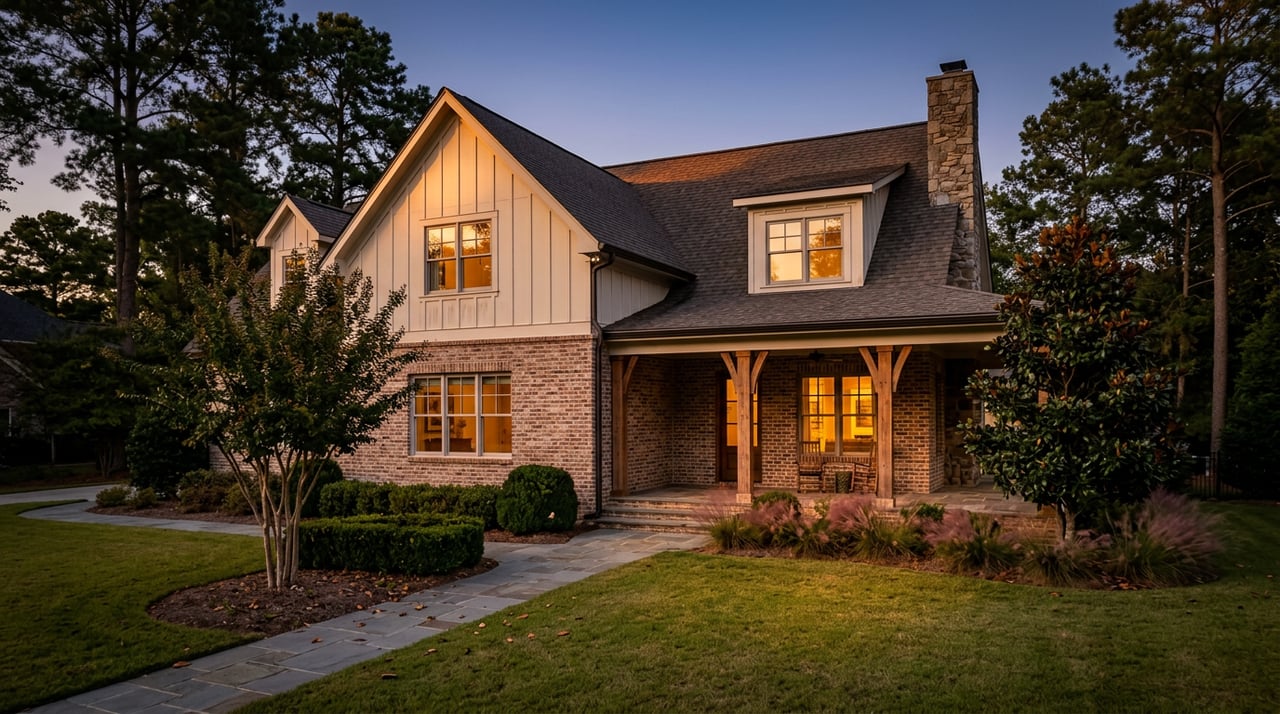
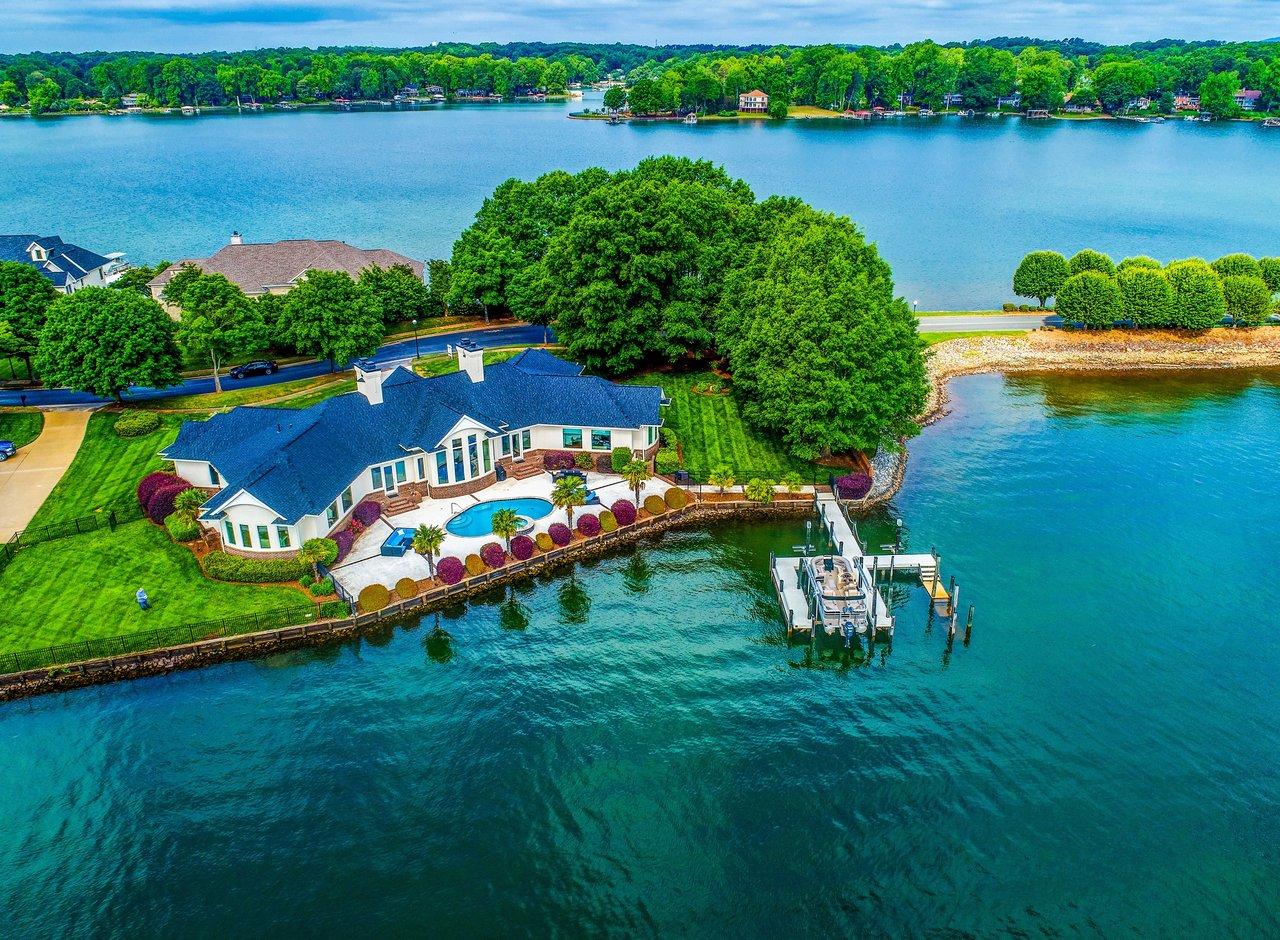
From docks and water depth to coves, shoreline rules and resale value, here’s what buyers should understand before purchasing waterfront property on Lake Norman.
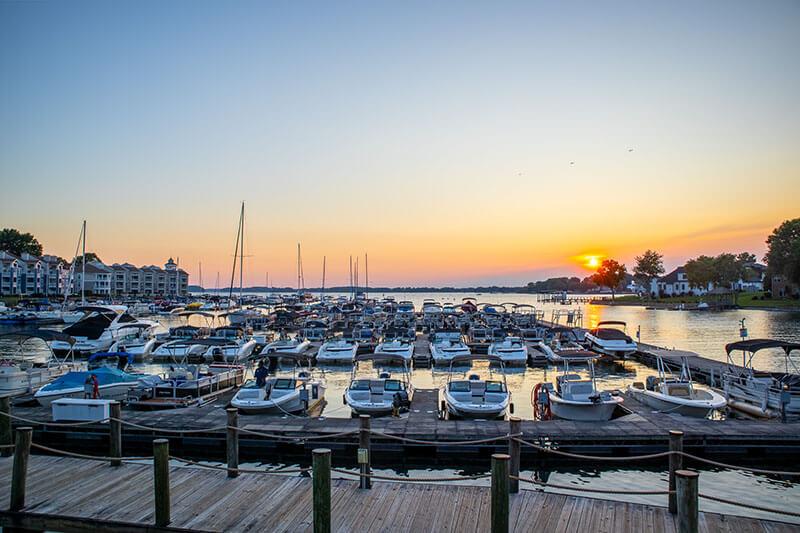
Lake Norman Real Estate
A local guide to choosing the right Lake Norman town based on lifestyle, commute, waterfront access, housing, and how you actually want to live.