Buying a Waterfront Home on Lake Norman: 12 Things You Need to Know Before You Buy
Buying a waterfront home on Lake Norman sounds pretty simple.
Find a beautiful house. Make sure it has a dock. Buy a boat. Enjoy the lake.
In reality, buying waterfront property on Lake Norman is one of the few situations where I may care just as much about what is behind the house as I do about the house itself.
Sometimes more.
I've walked waterfront properties where the home was incredible, but the water significantly weakened the overall property.
I've also seen homes that were far less impressive on paper sitting on exceptional waterfront lots - and those lots completely changed how I viewed the value.
If you're relocating to Lake Norman or buying waterfront property here for the first time, there are several things you should understand before you fall in love with the kitchen.
Here are 12 of the biggest things I look at when evaluating a Lake Norman waterfront home with a buyer.
This is probably the most important concept for a waterfront buyer to understand.
Two homes can both be described as “waterfront on Lake Norman” and offer completely different experiences.
One might have a wide, long-range view with deep water and easy boating access.
Another might sit at the back of a narrow cove where the water is shallower, the view is tighter and getting your boat to the main channel takes considerably longer.
Both are waterfront.
They aren't necessarily comparable.
When I'm evaluating a property, I'm looking at the combination of:
That combination helps determine the quality of the waterfront itself.
And on Lake Norman, the quality of the water can have a major impact on the desirability of the property.
A dock looks great in listing photos.
What I want to know is what happens underneath it.
Water depth can affect the size and type of boat you can comfortably use, how the property functions when lake levels fluctuate and, ultimately, how desirable that waterfront is to future buyers.
A buyer who plans to keep a larger boat at the property may evaluate the same lot very differently from someone who primarily wants the view.
This is also why I don't recommend assuming that because there is already a dock, the property automatically works for your boating needs.
We need to understand the water.
People often assume the biggest possible water view is always the best waterfront.
Not necessarily.
Main-channel properties can offer spectacular views and impressive expanses of water, but they may also experience more boat traffic and wake.
A protected cove can offer calmer water around the dock and a quieter setting.
The tradeoff is that some coves have tighter views, shallower water or a longer ride to open water.
There is no universally correct choice.
If you love sitting outside watching boats pass all day, you may love the activity of bigger water.
If you have young children swimming off the dock or primarily want a peaceful setting, a protected cove may appeal to you more.
The important part is understanding what you're buying.
This is a big one.
Lake Norman is part of Duke Energy's Catawba-Wateree reservoir system, and Duke Energy manages shoreline activities through its Shoreline Management Plan and permitting process. Projects involving docks, piers, shoreline stabilization and other shoreline activities can require review and approval.
That means a buyer should never assume:
“I'll just replace this dock later.”
Or:
“There's plenty of shoreline, so we'll build a bigger dock.”
Maybe you can.
Maybe you can't.
The existing permit status, shoreline classification and current regulations all need to be considered before making plans for the waterfront.
Duke Energy specifically notes that its Lake Services team reviews shoreline classifications as part of the permitting process.
If the dock or future dock configuration is important to your purchase, investigate it during due diligence - not after closing.
When I'm evaluating a waterfront property, I want to understand not only what exists physically but what is actually permitted.
That includes the dock and potentially other shoreline improvements.
A beautiful structure sitting over the water isn't something I'd simply take at face value.
The goal is to understand:
What is permitted today?
Does what exists appear consistent with those approvals?
What could potentially be repaired, replaced or modified in the future?
Duke Energy maintains a formal process for shoreline activity permits around the Catawba-Wateree lakes, including Lake Norman.
This can become especially important on an older waterfront home where docks and shoreline improvements may have evolved over decades.
Everyone looks at the water.
Look at the land-water connection too.
Is the shoreline stabilized?
Is there riprap?
Is there visible erosion?
How steep is the path from the house to the dock?
Is the yard usable?
Does the property transition naturally to the water, or will getting from the back patio to the boat feel like a workout?
Wake and other environmental forces can contribute to shoreline erosion, which is one reason shoreline stabilization is regulated and managed around the lake.
A home with a gorgeous lake view but a difficult, steep or problematic shoreline may function very differently than buyers imagine from photographs.
This is one of my favorite things to explain to buyers.
With normal real estate, we tend to focus heavily on the house.
Square footage.
Kitchen.
Bathrooms.
Renovations.
Age.
With premium waterfront property, the lot can become the irreplaceable part of the purchase.
You can remodel a kitchen.
You can renovate a primary bathroom.
You can replace flooring.
You cannot pick up your lot and move it to deeper water with a better sunset view.
That's why I sometimes prefer the less-impressive house on the superior waterfront lot.
You can improve the house over time.
Great waterfront is much harder to manufacture.
Lake Norman is large enough that “waterfront on Lake Norman” doesn't tell me nearly enough.
Where exactly are you?
A waterfront home in Cornelius can offer a completely different day-to-day lifestyle than one farther north in Mooresville.
Your location affects more than your drive into Charlotte.
It can also affect:
This is especially important for relocating buyers.
A house may look perfectly located on a Zillow map until you actually drive the roads or travel the lake.
If boating is part of the reason you're moving to Lake Norman, this sounds obvious.
Yet buyers sometimes fall in love with a property first and figure out the boating logistics second.
I'd reverse that.
Think about what you own - or plan to own.
What size boat?
What type of lift?
How much water do you need?
Will you also have personal watercraft?
Do you want to swim around the dock?
Do you care about being near a no-wake area?
North Carolina has specific boating and personal-watercraft rules, including no-wake requirements near docks and other people or vessels.
Your waterfront should fit the way you're actually going to use the lake.
A waterfront purchase has more variables than a typical subdivision home.
Depending on the property and jurisdiction, due diligence may involve reviewing items such as:
Flood risk is property-specific, and local governments maintain mapping and regulatory information related to floodplains. Mecklenburg County, for example, maintains regulated floodplain information through its Storm Water Services programs.
This doesn't mean every waterfront house has a problem.
It means you should verify instead of assume.
Even if you tell me:
“Logan, we're never moving again.”
I'm still thinking about resale.
Life changes.
And because waterfront properties are highly individual, buying the right combination of house and waterfront matters.
If two houses are similarly priced, but one offers stronger water depth, a superior view, a better dock and more desirable shoreline, I want my buyer thinking about how future buyers will compare those same attributes.
In luxury real estate especially, buyers pay for things that are difficult or impossible to recreate.
Great architecture can be recreated.
A phenomenal Lake Norman lot usually cannot.
That scarcity matters.
This may be the biggest practical piece of advice I can give a relocating buyer.
Waterfront homes photograph incredibly well.
Blue sky.
Sparkling water.
Boat at the dock.
Sunset.
Done correctly, almost every waterfront property can look fantastic online.
But pictures don't tell you:
How long it takes to idle out of the cove.
What the neighboring docks look like.
Whether boats constantly pass the property.
How steep the yard feels.
How the water looks standing at dock level.
Whether the view opens up or closes in.
Whether the location feels private.
Those things need to be experienced.
For out-of-state clients, I'll often spend a significant amount of time walking the exterior, dock and shoreline on video because the waterfront itself deserves just as much attention as the interior of the house.
There isn't one universal answer.
Cornelius is often attractive to buyers who want waterfront living combined with proximity to restaurants, amenities and Charlotte.
Mooresville offers a huge range of Lake Norman waterfront properties and can open up different combinations of lot size, home size and location.
Davidson has waterfront opportunities as well, although many buyers choose Davidson specifically for its downtown lifestyle rather than because they're seeking the broadest waterfront inventory.
And there are additional Lake Norman communities beyond those three that may make sense depending on your commute, budget and preferred lifestyle.
The better question isn't:
“Where is the best waterfront on Lake Norman?”
It's:
“Where is the best waterfront on Lake Norman for the way I want to live?”
There is no single Lake Norman waterfront price point.
Waterfront homes span a wide range depending on the community, home, lot, condition and - importantly - the quality of the waterfront.
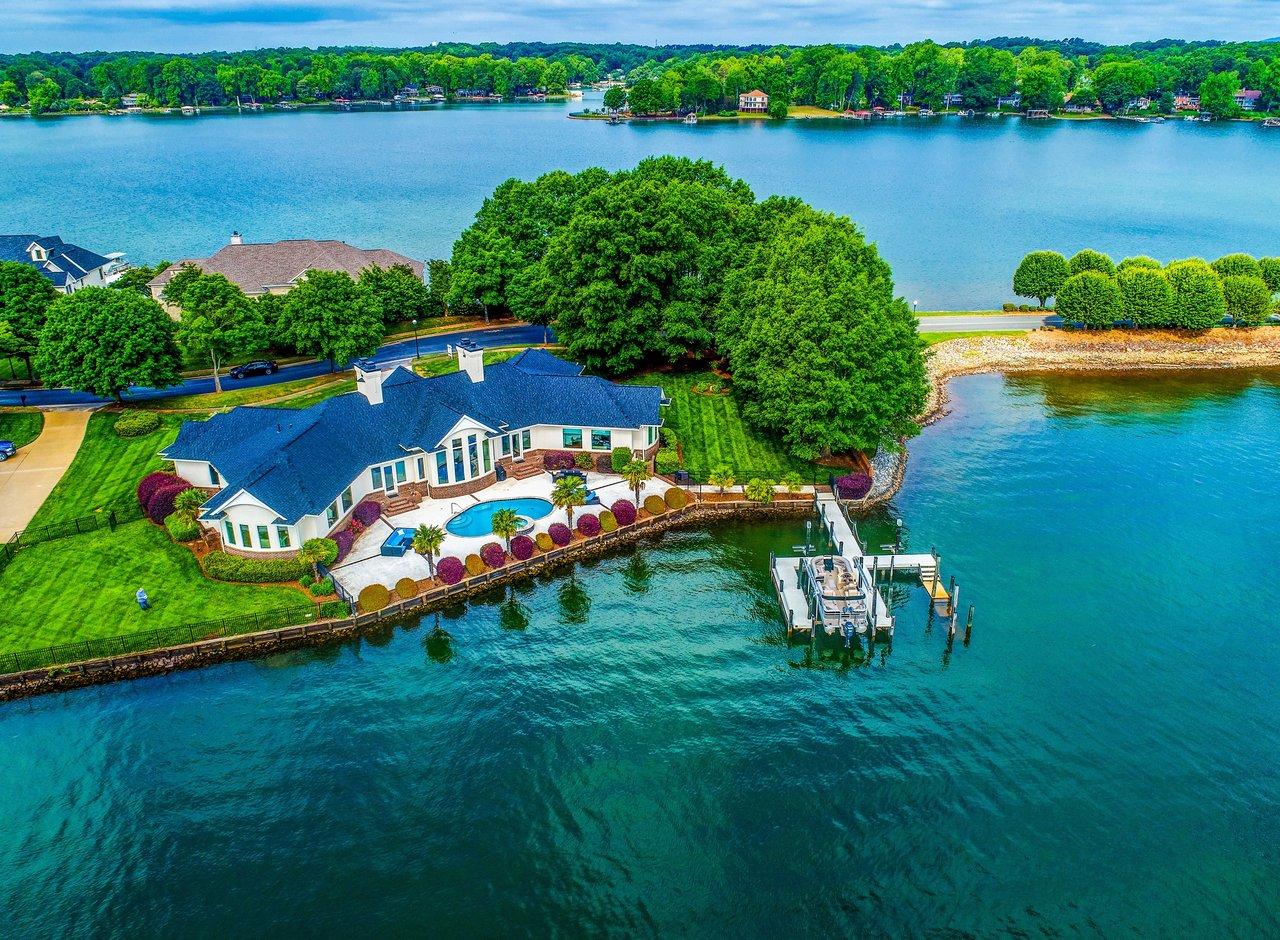
At the upper end of the market, buyers may be evaluating custom estates with pools, outdoor living spaces, elaborate docks and exceptional main-channel views.
At other price points, the decision may involve compromising between the house and the water.
That's why simply comparing price per square foot can be misleading with waterfront real estate.
Two homes with similar square footage can have significantly different values because one sits on vastly superior water.
Waterfront requires a more nuanced comparable-sale analysis.
For the right buyer, absolutely.
But you're not simply buying a house with water behind it.
You're buying access to a lifestyle.
Morning coffee overlooking the lake.
Kids jumping off the dock.
Taking the boat to dinner.
Coming home on a summer evening and deciding to go out on the water for an hour because you can.
That lifestyle is exactly why Lake Norman continues to attract buyers from around North Carolina and from states across the country.
But it also makes choosing the right property much more important.
Duke Energy manages shoreline activities on Lake Norman through its Lake Services program and Catawba-Wateree Shoreline Management Plan. Certain shoreline activities, including docks and piers, are subject to Duke Energy's permitting process.
Possibly, but buyers should not assume a waterfront lot automatically qualifies for a new dock or for the exact dock configuration they want. Duke Energy reviews shoreline classifications and proposed activities through its permitting process.
It can be, particularly for buyers who intend to keep a boat at their property. Water depth, location within a cove, lake-level fluctuations and the type of boat you plan to use should all be considered when evaluating a waterfront home.
Neither is universally better. Main-channel property may provide larger views and quicker access to open water, while protected coves may offer calmer water and less boat traffic. The right choice depends on how you plan to use the property.
In addition to a traditional home inspection, buyers should consider the dock and shoreline, water characteristics, applicable permits, survey and easements, flood information, septic or well systems where applicable, and other property-specific restrictions.
Luxury waterfront homes can be found throughout Lake Norman, with significant options in areas including Cornelius, Mooresville and other communities surrounding the lake. The best location depends on budget, commute, boating preferences and the type of waterfront experience you want.
When I help someone buy on Lake Norman, I don't want them to simply find a house they love.
I want them to understand exactly what they're buying.
The house.
The lot.
The dock.
The view.
The water.
And the lifestyle that comes with all of it.
I'm Logan Ruffin with The Ruffin Group at SERHANT., and I work with buyers and sellers throughout Lake Norman and the greater Charlotte area, including clients relocating to North Carolina and buyers searching specifically for luxury and waterfront property.
If you're considering buying a waterfront home on Lake Norman, contact The Ruffin Group before you begin narrowing down properties.
A listing can tell you that a home is waterfront.
The important part is understanding what kind of waterfront you're actually buying.
Stay up to date on the latest real estate trends.
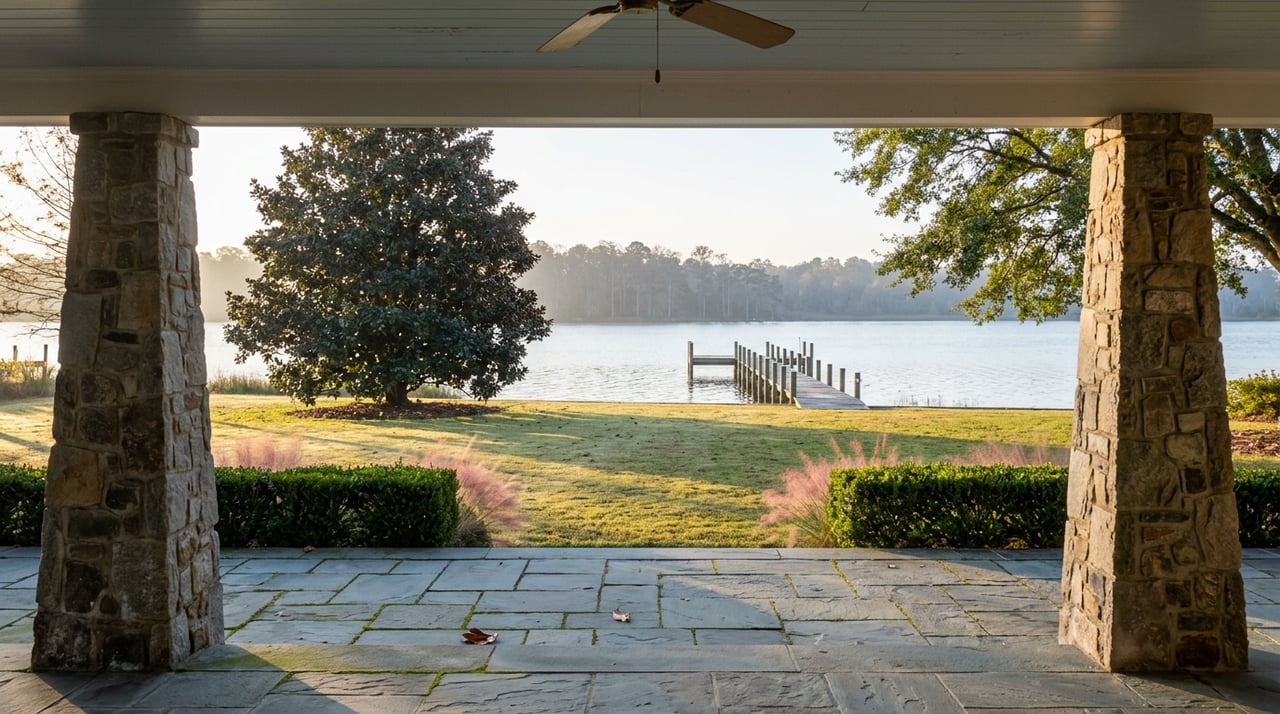
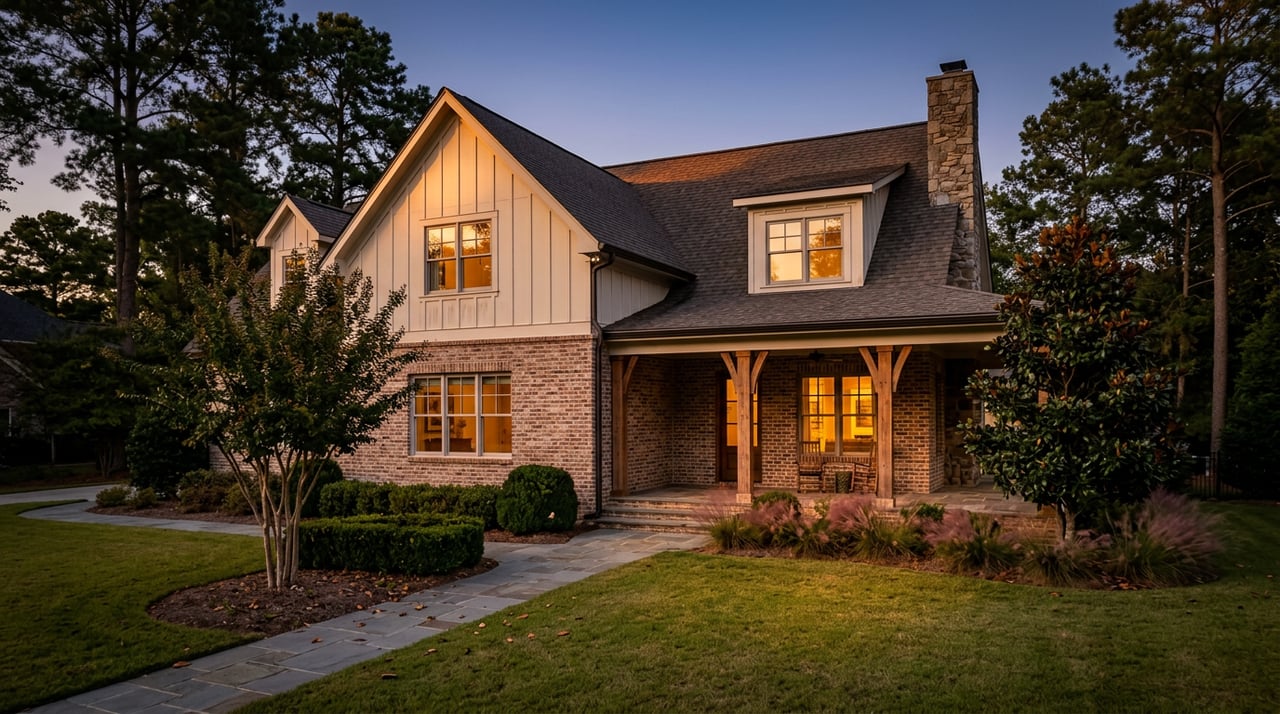
From docks and water depth to coves, shoreline rules and resale value, here’s what buyers should understand before purchasing waterfront property on Lake Norman.
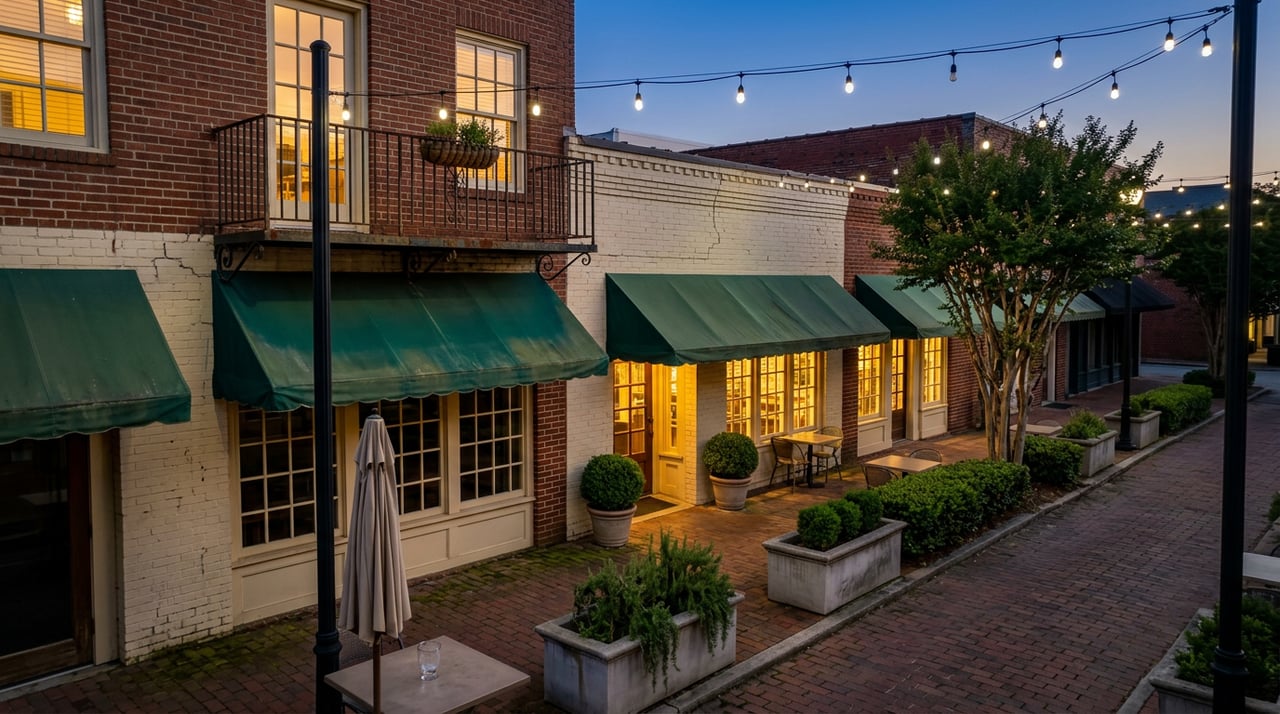
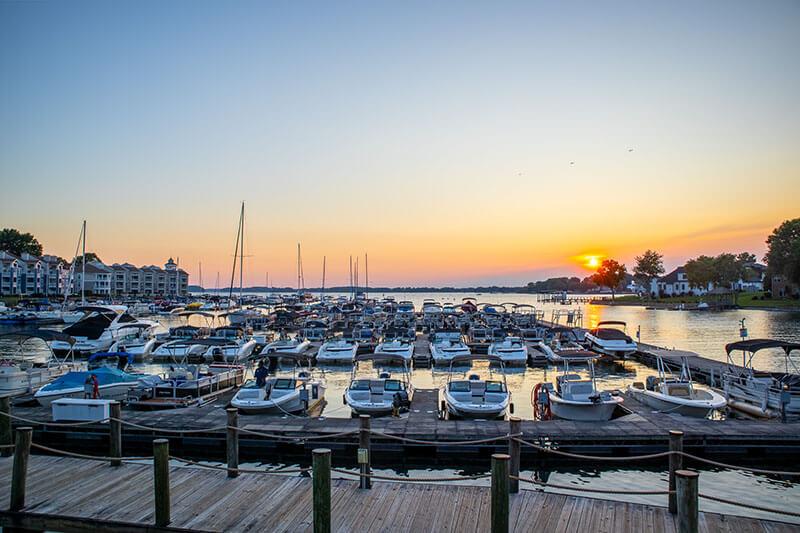
Lake Norman Real Estate
A local guide to choosing the right Lake Norman town based on lifestyle, commute, waterfront access, housing, and how you actually want to live.